
Skip to content
PapaAgric
  • Home
  • About
  • Services
  • Outgrowers
  • Produce
  • Impact
+233 (0) 55 547 2507Get a quote
Farmers working together on a smallholder plot
  1. Home
  2. Impact

Impact

What changes when the buyer stays

Aggregation is not charity, and it does not need to be. Paying a posted price and buying every season is enough to change what a harvest is worth.

500+

Farmers & outgrowers in the group network

41%

Average uplift on farm-gate price

Against local spot buyers

18

Districts with an intake point

63%

Of the network are women

Across all commodity lines

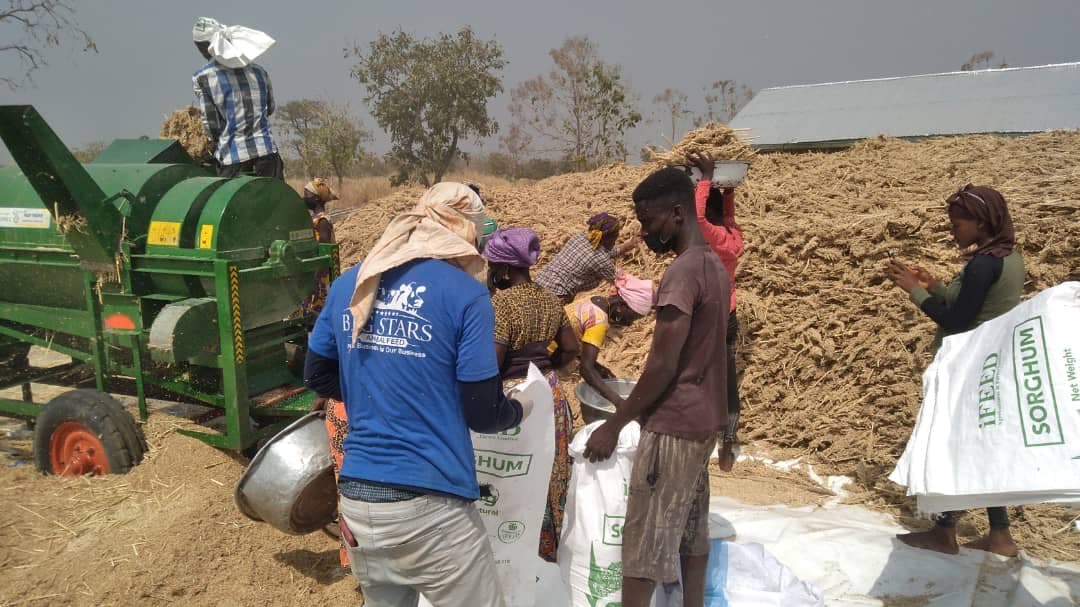
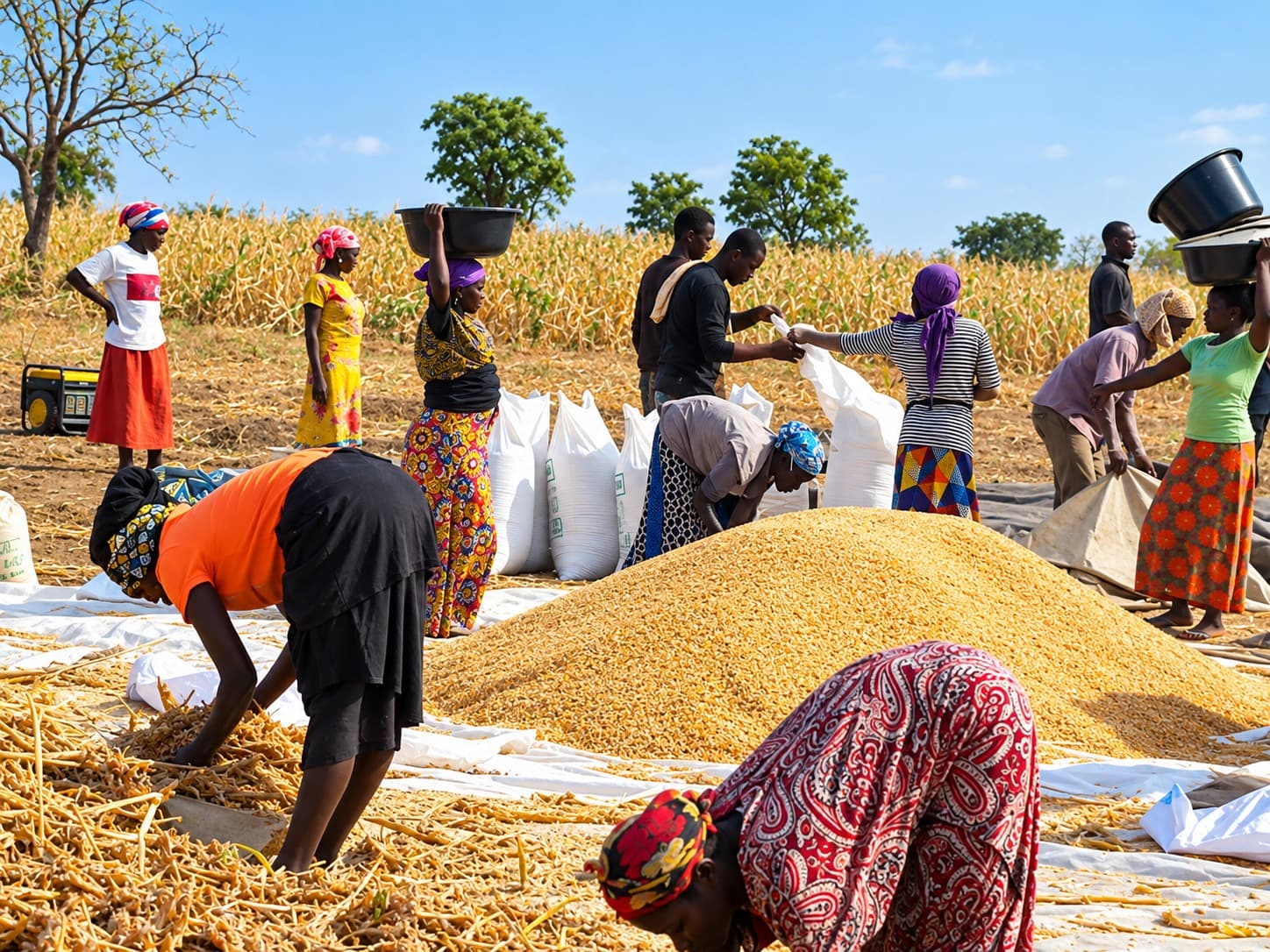
Workers winnowing and sorting threshed grain by hand

Ejura–Sekyedumase, Ashanti Region

A price farmers know before they harvest

Before we opened a buying point here, maize farmers had to sell to whoever turned up at the farm gate in the week they needed cash — usually late in the season, and usually for whatever was offered. Now we tell farmers our buying price before harvest even starts. That one change lets them plan ahead: hold their grain for better quality, clean it properly before selling, and get paid more for the extra effort.

Higher price paid to farmers
41%Higher price paid to farmers
Farmers now selling here
310Farmers now selling here
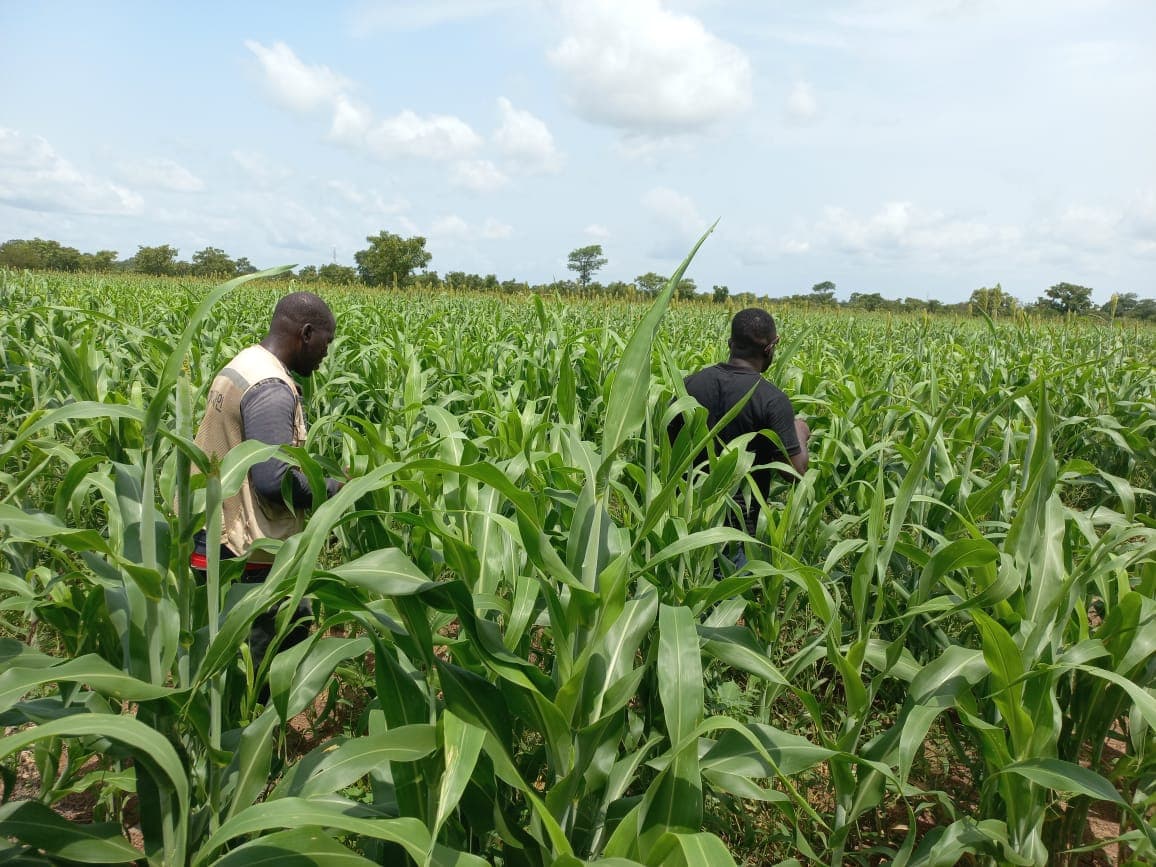
The field team walking a maize plot

West Mamprusi, North East Region

Checking quality early so women don't lose the sale

Groundnut farming in this district is mostly done by women, and groundnut is also the crop most likely to be turned away — badly dried nuts can grow a harmful mould that spoils an entire load. We now check each farmer's groundnuts for this as soon as they arrive, rather than after they've already been mixed in with everyone else's. That way, one farmer's bad batch doesn't cost the whole group a sale. We also help with drying and sorting, and far fewer loads get rejected now.

Fewer loads rejected
−72%Fewer loads rejected
Women farmers selling through us
480Women farmers selling through us
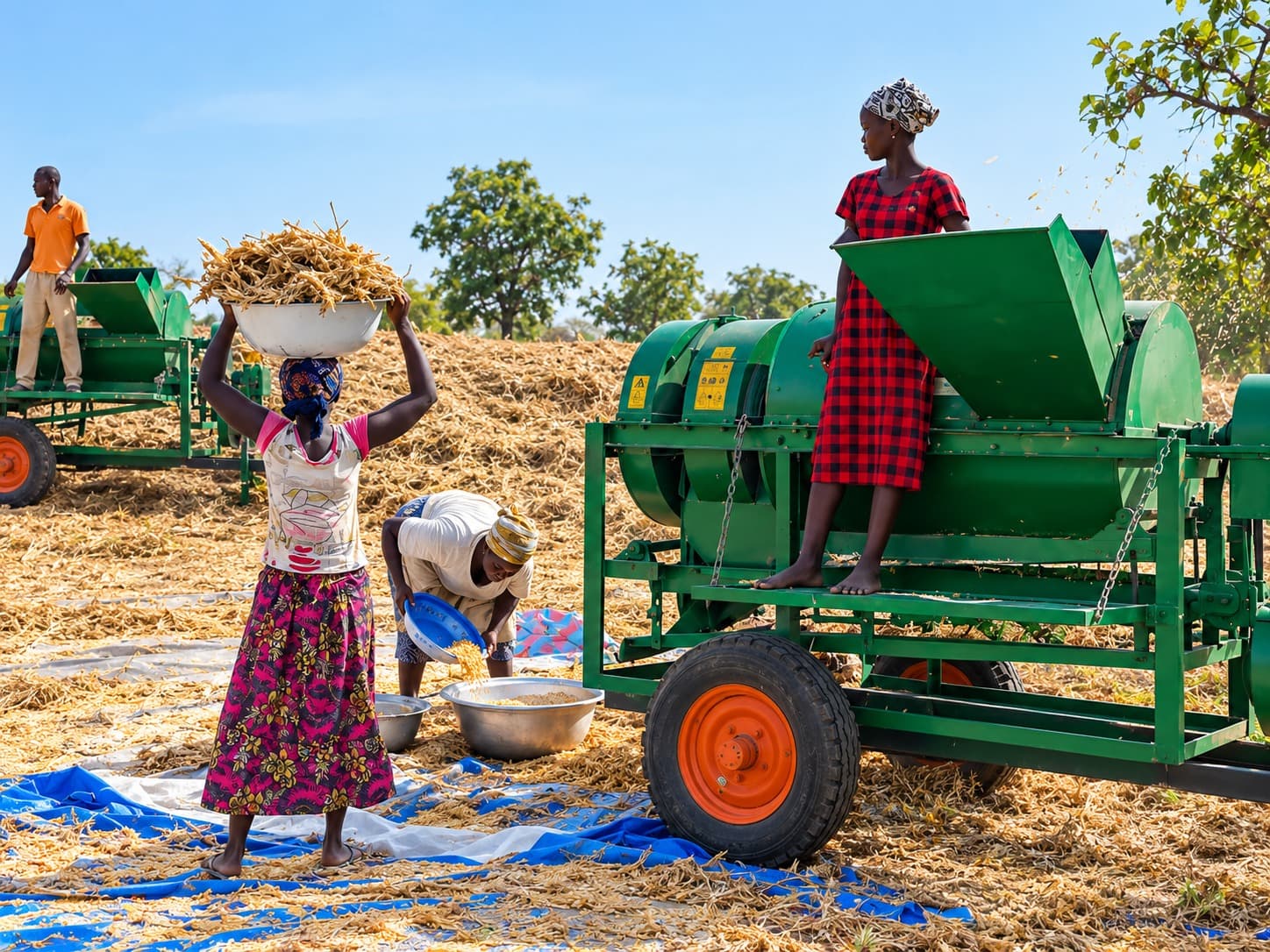
Workers operating a mechanised thresher and sorting grain

Nkoranza South, Bono East Region

Paid in November, still supplying in March

One of the oldest problems for Ghanaian grain farmers: sell at harvest, when the price is at its lowest, because that's when you need the cash — then watch the price climb for months afterwards, with none of that extra money reaching the farmer. We break that pattern by storing grain properly so it doesn't spoil. Farmers still get paid straight away at harvest, in November. We then keep the grain safe and sell it on to millers as late as March, at a price agreed in advance, so nobody loses out.

Tonnes kept in safe storage
4,100tTonnes kept in safe storage
Deliveries missed or short
0Deliveries missed or short
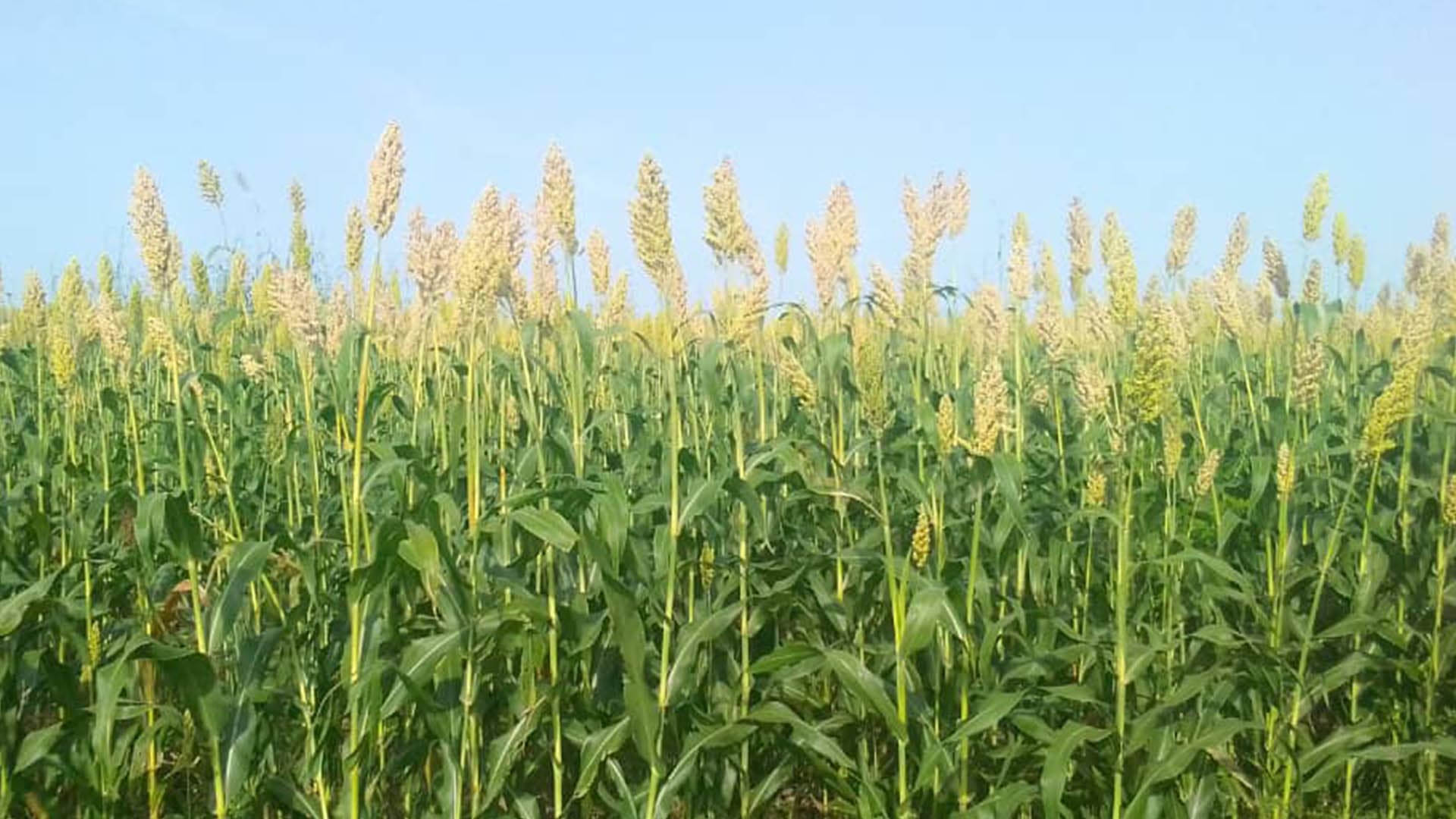
Sorghum standing tall against a clear blue sky

Let's trade

Tell us the specification and the date

Whether you are a miller who needs cover through the lean season, an exporter after a graded parcel, or a farmer group looking for a buyer that posts its price — start with a conversation.

Contact the trading deskRead our impact
PapaAgric

PapaAgric aggregates, trades and adds value to Ghanaian grains, legumes and tree crops

  • Warehouse & Aggregation Yard
    Off the Tema–Akosombo Road
    Accra, Ghana
  • +233 (0) 55 547 2507
  • infor@papaagric.com

Explore

  • Home
  • About
  • Services
  • Outgrowers
  • Produce
  • Impact

What we trade

  • Maize
  • Soya Bean
  • Paddy & Milled Rice
  • Sorghum
  • Cowpea
  • Groundnut

An iFeed Agribusiness & Farms company · Safo-Sarpong Group

A subsidiary of iFeed Agribusiness & Farms Limited, part of the Safo-Sarpong Group. We aggregate and trade what the group grows, alongside our own open-market book

Visit the iFeed group→

© 2026 PapaAgric Limited. All rights reserved.

Designed and developed by AmGap Tech

  • Contact
  • Privacy Policy

We use cookies to improve your experience on this site. By continuing to browse, you agree to our use of cookies.